
A Note From Us
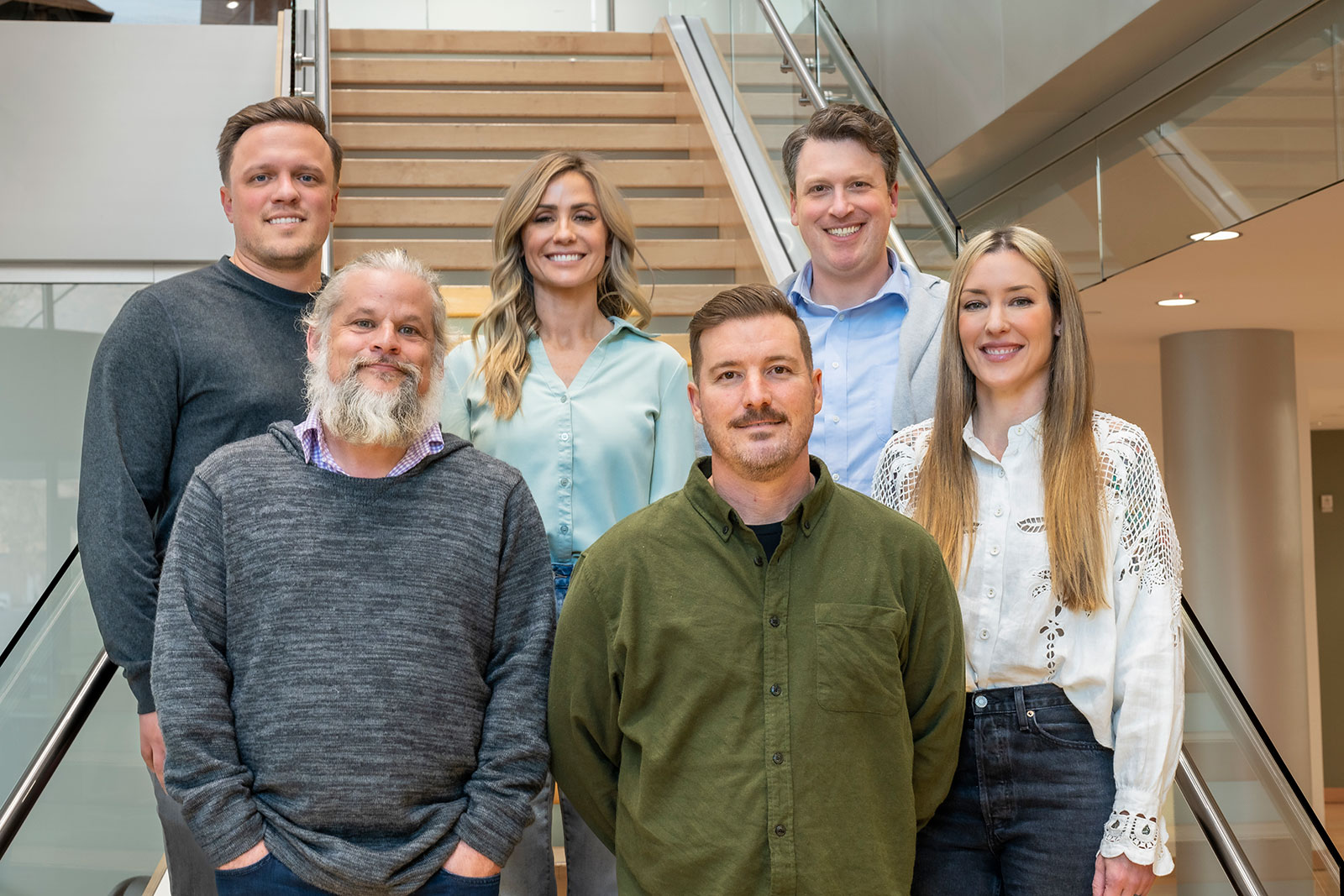
Balance House is a privately held organization, fully funded by us—its founders—without outside investors.
Over the past 12 years, we have invested our own money and taken significant personal risks to build and grow Balance House. There is no hidden entity or board of directors influencing our decisions. We make choices based on what is best for our residents and their families.
Our Impact
To date, we have helped over 1,000 individuals and families on their unique journeys. Each partner remains actively involved in the organization, ensuring they are accessible to all families and clients who engage with Balance House. We are independently owned, and that will never change.
Balance House is not just a business; it is our life and livelihood. We are deeply committed to its success, reputation, and the outcomes we achieve for the families we serve. The foundation of Balance House was built on our own personal experiences and what we found to be effective. More importantly, we’ve learned how to create opportunities that were not available to us—and we are dedicated to passing those opportunities on to others.
Success, Reputation, and Outcomes
Balance House is our life and livelihood. We are deeply committed to its success, reputation, and the outcomes we achieve for the families we serve.
Our Difference
Balance House is a true “dual diagnosis” program that treats the whole person, understanding that compartmentalizing addiction, trauma, and mental illness is counterproductive. We recognize that to effectively address any of these issues, we must treat all of them. What sets us apart from other dual diagnosis programs is our focus on a full continuum of care.
In addition to our primary treatment phase, we place a strong emphasis on aftercare. Aftercare goes by many names—Extended Care, Sober Living, Transitional Programs, Halfway Houses—but it is often treated as an afterthought rather than the essential part of the healing process it truly is. Aftercare should teach individuals how to become self-sufficient and apply what they’ve learned in treatment to their everyday lives. To use a metaphor: if treatment is the emergency room, aftercare is the recovery process that follows.
Over the years, we’ve seen a clear disconnect between the focus on primary treatment and the secondary focus on aftercare. Research consistently shows that strong aftercare is crucial for ensuring lasting, meaningful change.
What we’ve come to understand is that time is one of the most important factors in sustained recovery. The risk of relapse or recidivism is highest in the months following primary treatment. Creating space for individuals to build authentic relationships and gradually integrate what they’ve learned allows for lasting, real change to take place.